
Honoring Disability Pride Month: Reflecting on Disability History in Washington State
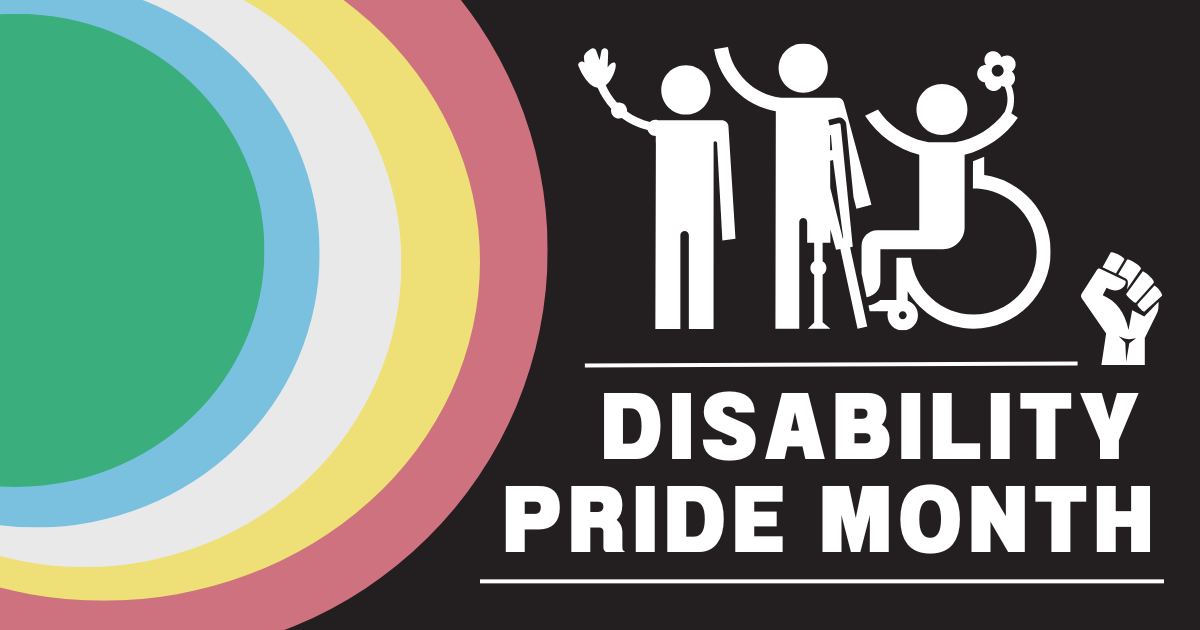
Every July, Disability Pride Month provides an opportunity to celebrate the strength, diversity, and achievements of people with disabilities. It is a time to recognize disability not as something to be hidden or overcome, but as a valued part of individual identity and community life.
Disability Pride Month traces its roots to the passage of the Americans with Disabilities Act (ADA), signed into law on July 26, 1990. The ADA marked a historic milestone in the disability rights movement, prohibiting discrimination and expanding opportunities for people with disabilities in employment, transportation, public spaces, and community participation.
Washington’s Role in Disability Rights and Inclusion
Washington State has a rich history of disability advocacy and leadership. Disability rights organizations, self-advocates, educators, families, and community leaders have worked for decades to remove barriers and expand access to education, employment, housing, and civic engagement.
One important milestone came in 2008, when Washington established Disability History Month in schools to promote awareness, respect, acceptance, and pride among students and communities. As part of that effort, the Governor’s Office of the Education Ombuds, in partnership with educators and disability advocates, developed the One Out of Five: Disability History and Pride Project. The project helps students learn about disability history, culture, and the contributions of people with disabilities in both Washington State and across the nation. [content.go...livery.com], [oeo.wa.gov]
Washington's disability rights movement has also been strengthened by organizations such as Disability Rights Washington and Rooted in Rights, which have amplified the voices of people with disabilities through advocacy, education, storytelling, and policy work. Their efforts reflect a central principle of the disability rights movement:"Nothing About Us Without Us." [disability...ghtswa.org], [seattleschools.org]
Why Disability Pride Matters
Disability Pride challenges outdated stereotypes and recognizes that disability is a natural part of the human experience. Pride means acknowledging the creativity, innovation, and leadership of disabled people while continuing to address inequities and barriers that persist.
For many, Disability Pride is also about community—sharing stories, celebrating accomplishments, and honoring the generations of advocates who fought for civil rights, accessibility, and inclusion.
Moving Forward Together
As we celebrate Disability Pride Month, we can all play a role in building more inclusive communities by:
Listening to and elevating disabled voices.
Promoting accessibility in workplaces, schools, and public spaces.
Learning about disability history and culture.
Challenging stereotypes and ableism.
Supporting policies and practices that advance equity and inclusion.
Washington's disability history reminds us that progress happens when communities work together and when people with disabilities lead the conversations that affect their lives. This Disability Pride Month, let us celebrate that legacy, recognize ongoing contributions, and recommit to creating a future where everyone belongs.
Happy Disability Pride Month.
Sources: Washington State Governor’s Office of the Education Ombuds – One Out of Five: Disability History and Pride Project; Washington State Disability History Month resources; Disability Rights Washington. [oeo.wa.gov], [content.go...livery.com], [disability...ghtswa.org]